Fine-tuning vs. prompting: where to start
Understand the trade-offs between prompting and fine-tuning, and when to use each approach.
Try prompting first
Good instructions, a few examples and structured output formats solve a surprising share of problems at near-zero cost, and they are easy to change.
Fine-tune when behaviour must be consistent
Consider fine-tuning when you need a specific style or format at scale, lower latency from a smaller model, or behaviour that long prompts cannot reliably enforce. You will need clean, representative training data.
Measure before you decide
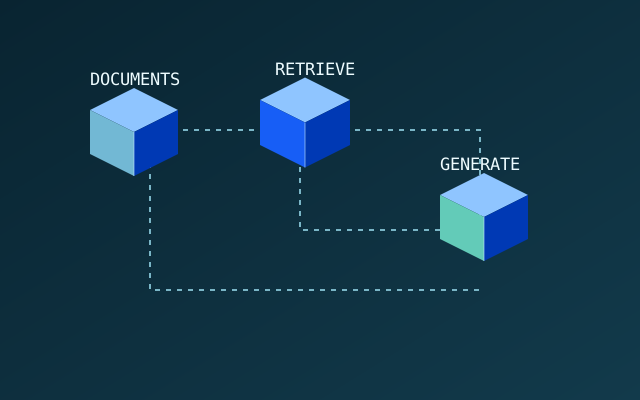
Build an evaluation set first and compare both approaches on it. Retrieval is often the better fix when the real gap is missing knowledge rather than missing behaviour.